Female Fertility Treatments In Trichy
Specialised Care for Female Fertility Concerns
Difficulty conceiving can be linked to ovulation, hormonal changes, ovarian function, the uterus, fallopian tubes or other reproductive factors.
At Tara Fertility Centre, our Female Fertility Treatments begin with a detailed evaluation of your menstrual history, reproductive health and fertility concerns. Based on the findings, our specialists recommend appropriate treatment options and clearly explain the next steps.
Our services
- Fertility evaluation
- Ovulation induction and cycle monitoring
- Follicular monitoring
- Genetic counselling
- PCOS and Fertility Management
- IUI, IVF and ICSI
- Hysteroscopic and laparoscopic procedures
Understanding Female Fertility
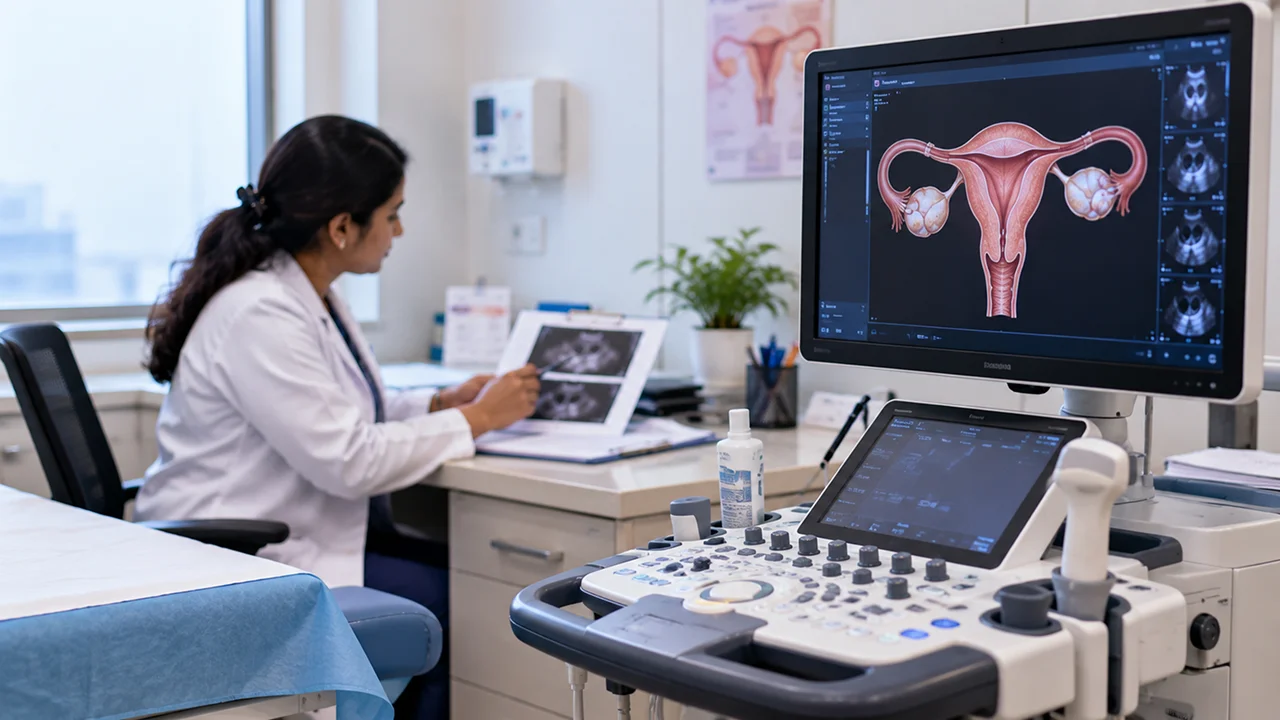
For pregnancy to occur naturally, several reproductive processes need to work together. An egg must be released from the ovary, sperm must reach the egg, fertilisation must take place, and the resulting embryo must implant in the uterus. A fertility concern can arise when one or more of these processes are affected.
Common Factors Include:
- Irregular or absent ovulation
- Polycystic ovary syndrome (PCOS)
- Hormonal imbalance
- Reduced ovarian reserve
- Endometriosis
- Blocked or damaged fallopian tubes
- Uterine fibroids or polyps
- Uterine abnormalities
- Previous pelvic infections or surgeries
- Age-related changes in fertility
A fertility evaluation helps identify which of these factors is relevant to you. From there, your specialist can recommend Female Fertility Treatments suited to what the findings actually show, rather than a one-size-fits-all protocol.
Our Female Fertility Services
Fertility Evaluation
A fertility evaluation examines the factors that may be affecting conception. The tests your specialist recommends are guided by your symptoms, menstrual history, age and previous fertility history, not a fixed checklist applied to every patient.
Your evaluation may include:
- Medical and reproductive history
- Menstrual cycle assessment
- Hormonal blood tests
- Ovulation assessment
- Pelvic ultrasound
- Ovarian reserve testing, where indicated
- Evaluation of the uterus and ovaries
- Fallopian tube assessment, when required
The medication and monitoring required varies depending on why ovulation is affected. For instance, PCOS-related anovulation is managed differently than ovulation problems linked to thyroid or prolactin imbalance.
Follicular Monitoring
Follicular monitoring uses ultrasound scans to track the development of follicles in the ovaries during a menstrual cycle.
It helps your specialist track:
- Follicle growth
- Endometrial development
- The likely timing of ovulation
- Response to medication
Follicular monitoring is used across several treatment settings, including natural cycles, ovulation treatment, IUI, and other forms of ovulation therapy, since timing is central to each of these.
PCOS and Fertility Management
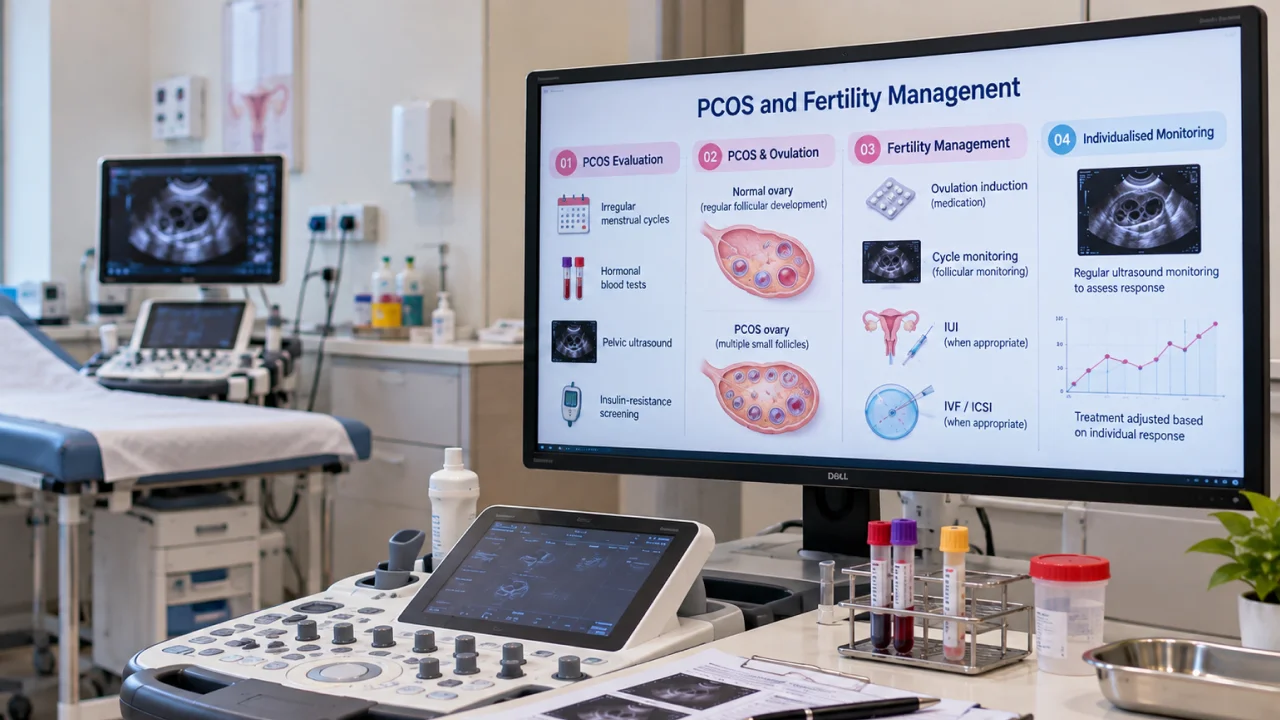
PCOS is one of the most common causes of irregular ovulation in women trying to conceive. It’s usually identified through a combination of irregular or absent periods, hormone test results, and the appearance of the ovaries on ultrasound, not from a single symptom or test alone.
PCOS doesn’t affect every woman’s fertility the same way. Some women ovulate irregularly but still conceive without treatment. Others need medical support to ovulate at all. This is why treatment starts with confirming how PCOS is affecting your specific cycle, rather than applying the same plan to every diagnosis.
Your evaluation may include:
- Menstrual cycle history
- Hormonal blood tests, including testosterone, LH, FSH and AMH
- Pelvic ultrasound
- Screening for insulin resistance, which is common in PCOS and can influence both ovulation and how you respond to treatment
Depending on what your evaluation shows, treatment may involve:
- Ovulation induction with cycle monitoring
- Treatment for insulin resistance, where relevant
- Weight management, since even a modest change in body weight can restore ovulation in some women with PCOS
- Follicular monitoring to track your response
- IUI or IVF, if ovulation induction alone doesn't lead to pregnancy
Women with PCOS also have a higher risk of ovarian hyperstimulation during fertility treatment, so monitoring is adjusted accordingly during ovulation induction and IVF cycles.
Your specialist builds your treatment plan around your menstrual history, hormone levels, insulin resistance status and how your ovaries respond to initial treatment, not a standard PCOS protocol applied regardless of presentation.
Ovarian Reserve and Female Egg Quality
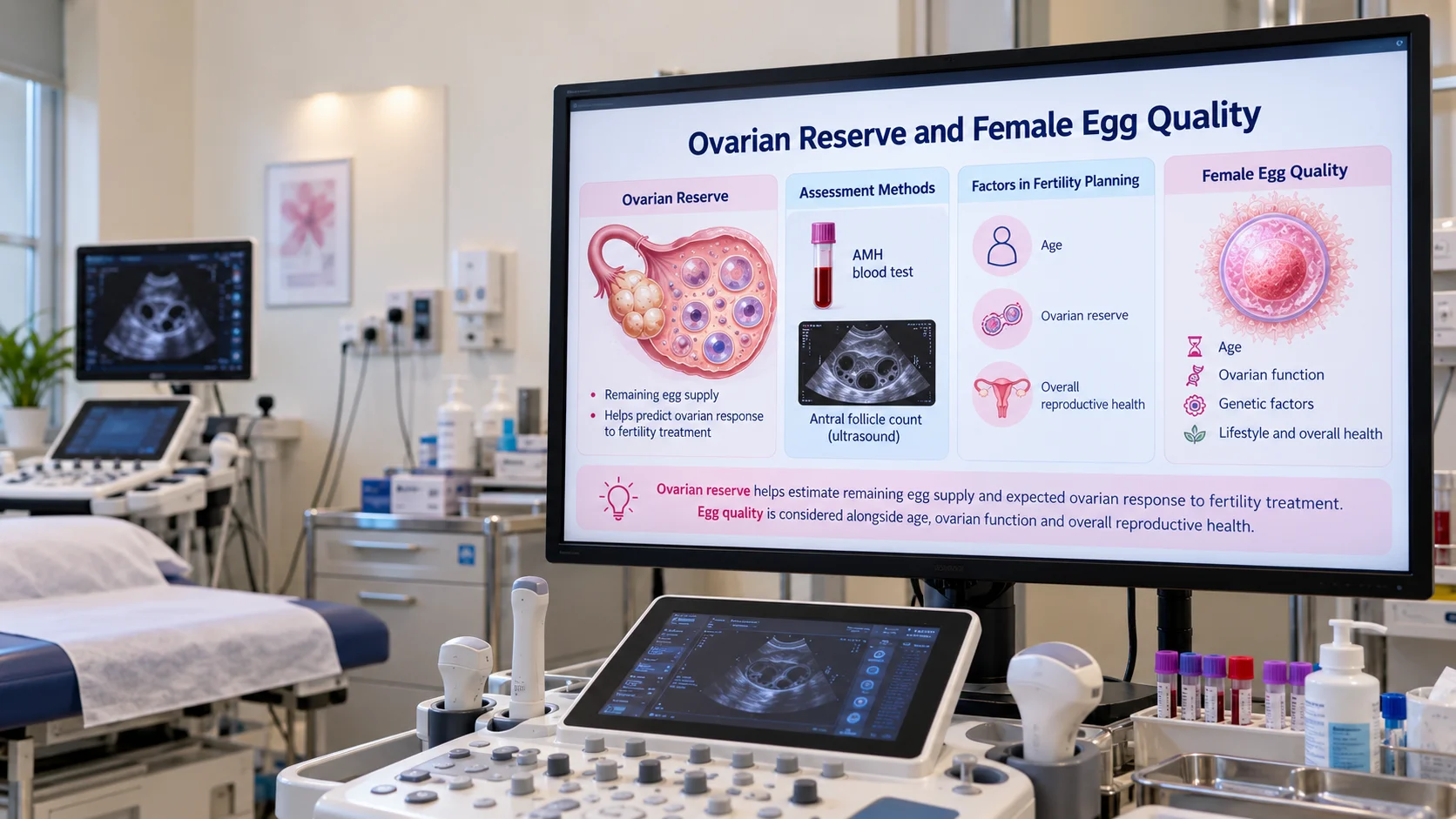
Ovarian reserve testing shows how many eggs remain in the ovaries and gives an indication of how the ovaries are likely to respond to fertility treatment.
Age, ovarian reserve and overall reproductive health are all factored into treatment planning.
Many women also ask about female egg quality specifically. Egg quality is shaped by several factors, and fertility specialists assess it alongside age, ovarian function and the rest of your fertility evaluation. It’s rarely judged from a single test in isolation.
If you have concerns about female egg quality, this is something worth raising directly with your specialist when reviewing your options.
Endometriosis and Female Fertility
Endometriosis can affect fertility depending on where it’s located and how severe it is. It may involve the ovaries, fallopian tubes or surrounding pelvic structures.
Your treatment options may depend on:
- Severity of endometriosis
- Symptoms
- Age
- Ovarian reserve
- Duration of infertility
- Previous treatment
- Pregnancy plans
A female reproductive doctor assesses how endometriosis is affecting your fertility specifically, then determines whether medical treatment, surgery or assisted reproductive treatment is the more appropriate route.
Hysteroscopy and Laparoscopic Procedures
Some fertility concerns trace back to conditions affecting the uterus, ovaries or pelvic structures.
Hysteroscopy and laparoscopy may be used to evaluate or treat conditions such as:
- Uterine polyps
- Fibroids
- Endometriosis
- Pelvic adhesions
- Certain uterine abnormalities
A female reproductive doctor recommends these procedures only when they’re relevant to your fertility evaluation or treatment plan, not as a default step.
IUI, IVF and ICSI
When ovulation support or medication alone isn’t enough, assisted reproductive treatments may be considered.
Available options may include:
- IUI for selected fertility concerns
- IVF when fertilisation needs to take place outside the body
- ICSI when a single sperm is injected into an egg
The appropriate treatment depends on the cause of infertility, age, previous treatment, and the fertility evaluation of both partners.
At our female fertility clinic, your specialist explains why a particular treatment is being considered and walks you through what the process actually involves before you begin.
IUI - Intrauterine Insemination
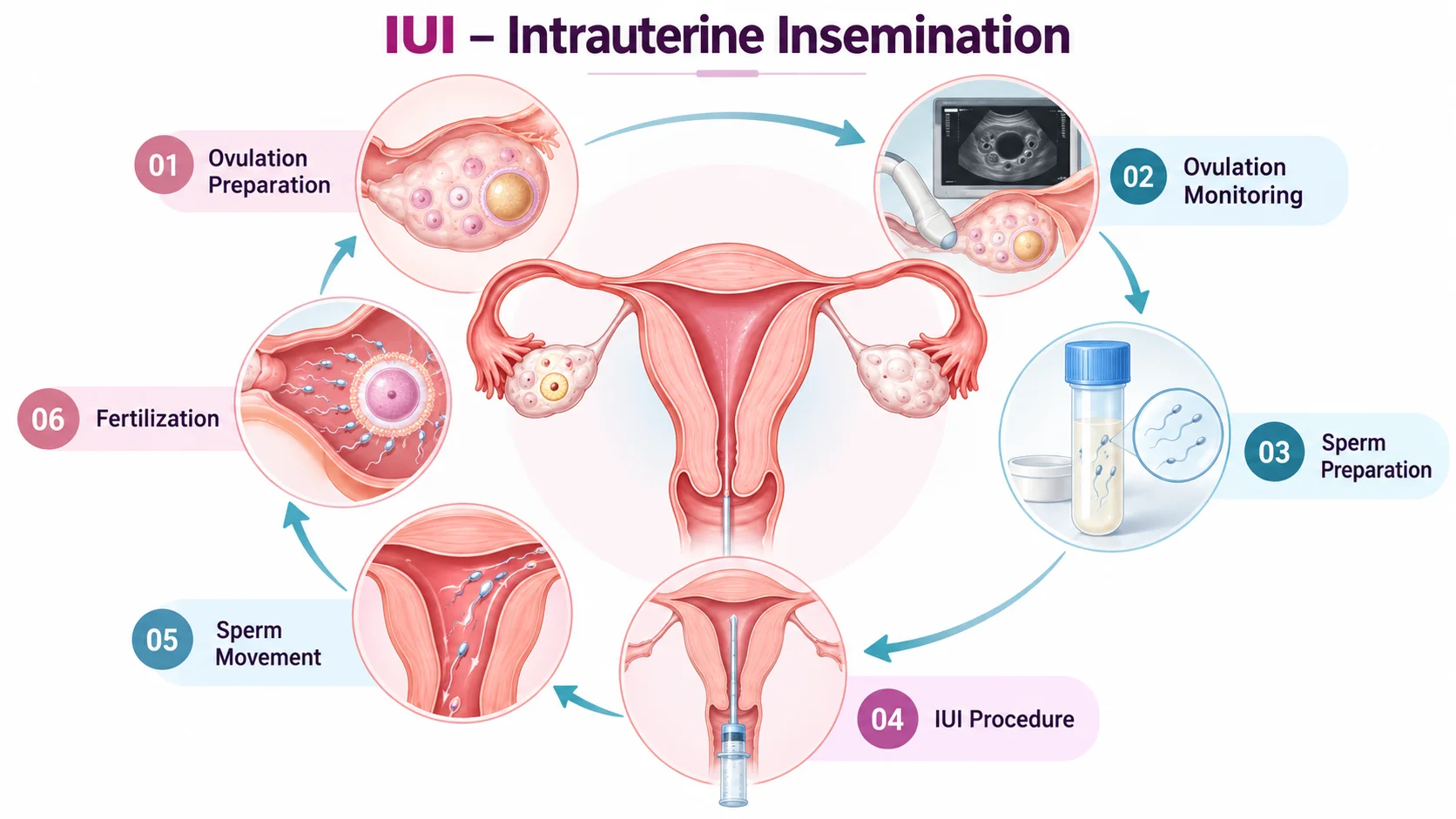
IUI is a fertility treatment in which specially prepared sperm is placed directly into the uterus around the time of ovulation. This helps bring the sperm closer to the egg and may improve the chances of fertilisation in selected fertility situations.
IUI may be considered for couples with unexplained infertility, certain ovulation-related concerns, mild male-factor infertility or when other fertility treatments have not resulted in pregnancy.
The IUI process may include:
- Fertility and medical evaluation
- Ovulation monitoring
- Ovulation induction, when required
- Preparation of the sperm sample
- Timed insemination
- Follow-up and pregnancy testing
The treatment plan is based on the individual fertility assessment of both partners.
IVF - In Vitro Fertilisation
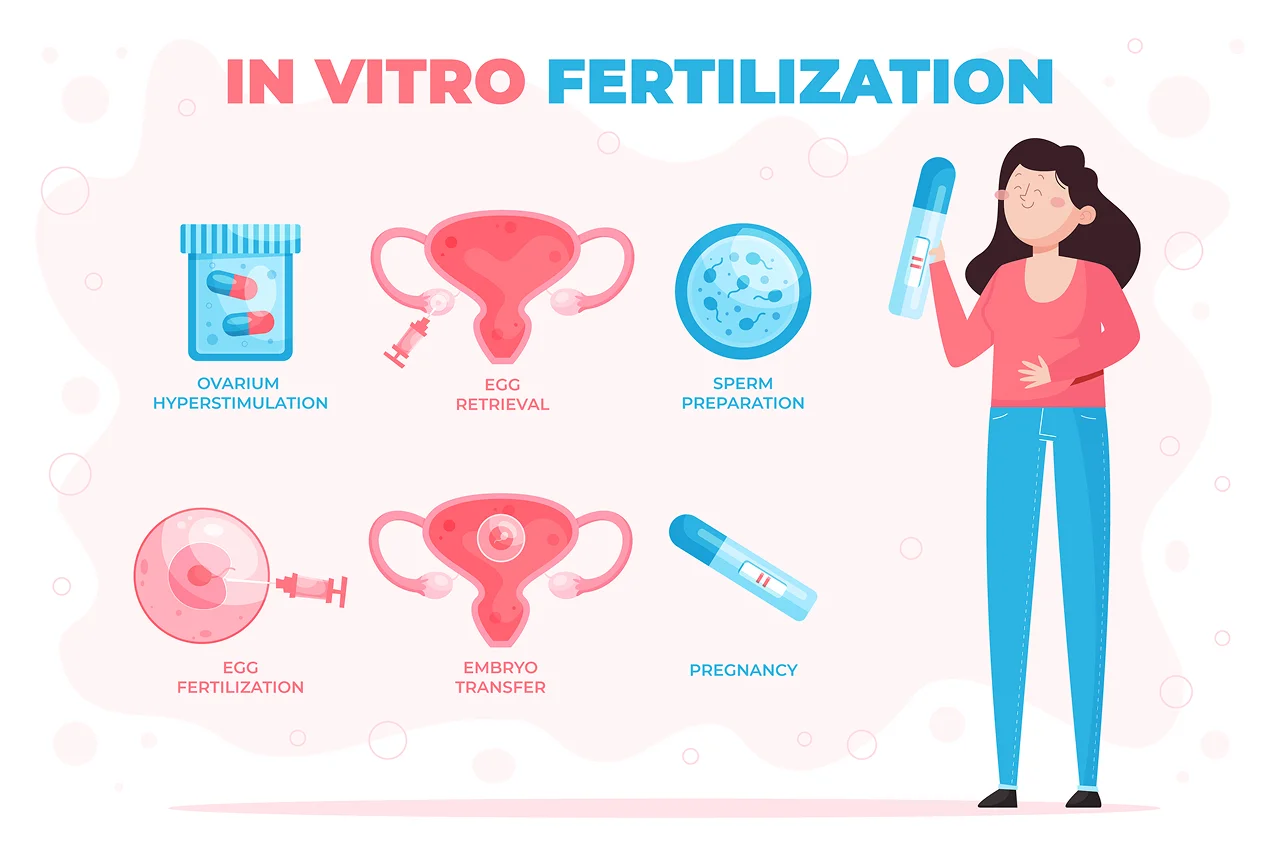
IVF is an assisted reproductive treatment in which eggs are collected from the ovaries and fertilised with sperm in a laboratory. The resulting embryo is then transferred into the uterus when appropriate.
IVF may be considered when pregnancy has not occurred through other fertility treatments or when factors such as blocked fallopian tubes, reduced ovarian function, endometriosis or certain male-factor fertility concerns are present.
An IVF cycle generally involves:
- Ovarian stimulation
- Follicular and hormone monitoring
- Egg retrieval
- Fertilisation in the laboratory
- Embryo development and assessment
- Embryo transfer or freezing for later use
- Pregnancy testing and follow-up
Your fertility specialist will explain each stage and recommend the approach based on your fertility evaluation.
ICSI - Intracytoplasmic Sperm Injection
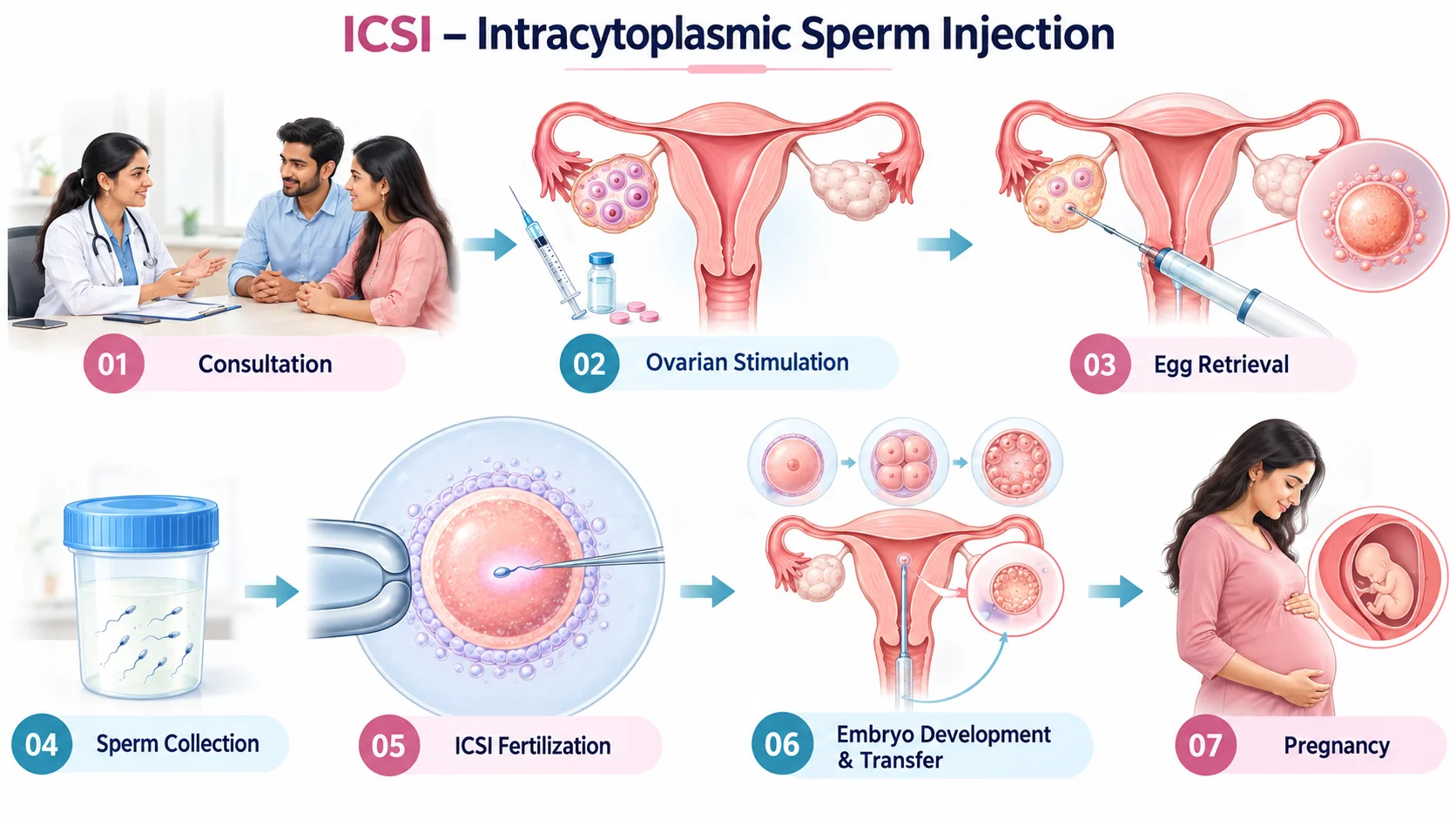
ICSI is an advanced form of IVF in which a single sperm is directly injected into a mature egg to assist fertilisation. It allows the embryology team to use an individual sperm for fertilisation rather than relying on sperm to fertilise the egg on its own.
ICSI may be considered in certain cases of male-factor infertility, previous fertilisation difficulties or when only a limited number of sperm are available.
ICSI treatment may involve:
- Ovarian stimulation and monitoring
- Egg retrieval
- Sperm collection and preparation
- Selection of an individual sperm
- Injection of the sperm into the egg
- Embryo culture and monitoring
- Embryo transfer or vitrification
The decision to use ICSI depends on the couple’s fertility history, sperm parameters, previous treatment outcomes and overall treatment plan.
Sperm, Oocyte & Embryo Freezing (Vitrification)
Vitrification is a rapid freezing technique used to preserve reproductive cells and embryos for future fertility treatment. It can be used for sperm, oocytes (eggs) and embryos when preservation is appropriate.
Cryopreservation may provide an option for patients who wish to preserve reproductive material before certain medical treatments, delay pregnancy, or retain embryos for future treatment cycles.
Vitrification may be used for:
- Sperm preservation
- Oocyte (egg) preservation
- Embryo preservation
- Future frozen embryo transfer
- Fertility preservation in selected situations
The fertility team evaluates each patient’s reproductive needs and explains the available preservation options, storage requirements and future treatment possibilities.
Psychological Support
Fertility treatment can involve emotional, physical and practical challenges. Psychological support provides patients and couples with a safe space to discuss concerns, manage treatment-related stress and navigate the emotional aspects of their fertility journey.
Support may be helpful at different stages, including fertility evaluation, treatment decisions, assisted reproductive procedures and periods of uncertainty or waiting.
Psychological support may help with:
- Managing fertility-related stress
- Coping with treatment uncertainty
- Understanding and expressing emotions
- Future frozen embryo transfer
- Fertility preservation in selected situations
At Tara Fertility Centre, emotional wellbeing is considered an important part of supportive fertility care alongside medical treatment.
Advanced Laparoscopic and Hysteroscopic Procedures
Certain conditions affecting the uterus, ovaries, fallopian tubes or pelvic structures can influence fertility. Laparoscopic and hysteroscopic procedures may be recommended when a structural or pelvic condition needs further evaluation or treatment.
These procedures may be considered for conditions such as:
- Endometriosis
- Ovarian cysts
- Uterine fibroids
- Endometrial polyps
- Pelvic adhesions
- Certain uterine abnormalities
- Selected tubal or pelvic conditions
Laparoscopy allows the reproductive specialist to examine and, when appropriate, treat conditions affecting the pelvis through minimally invasive surgery.
Hysteroscopy involves examining the inside of the uterus using a specialised camera and may be used to identify or treat certain conditions within the uterine cavity.
These procedures are recommended based on the patient’s symptoms, fertility evaluation, medical history and treatment needs rather than as a routine step for every patient.
How We Approach Female Fertility Treatments
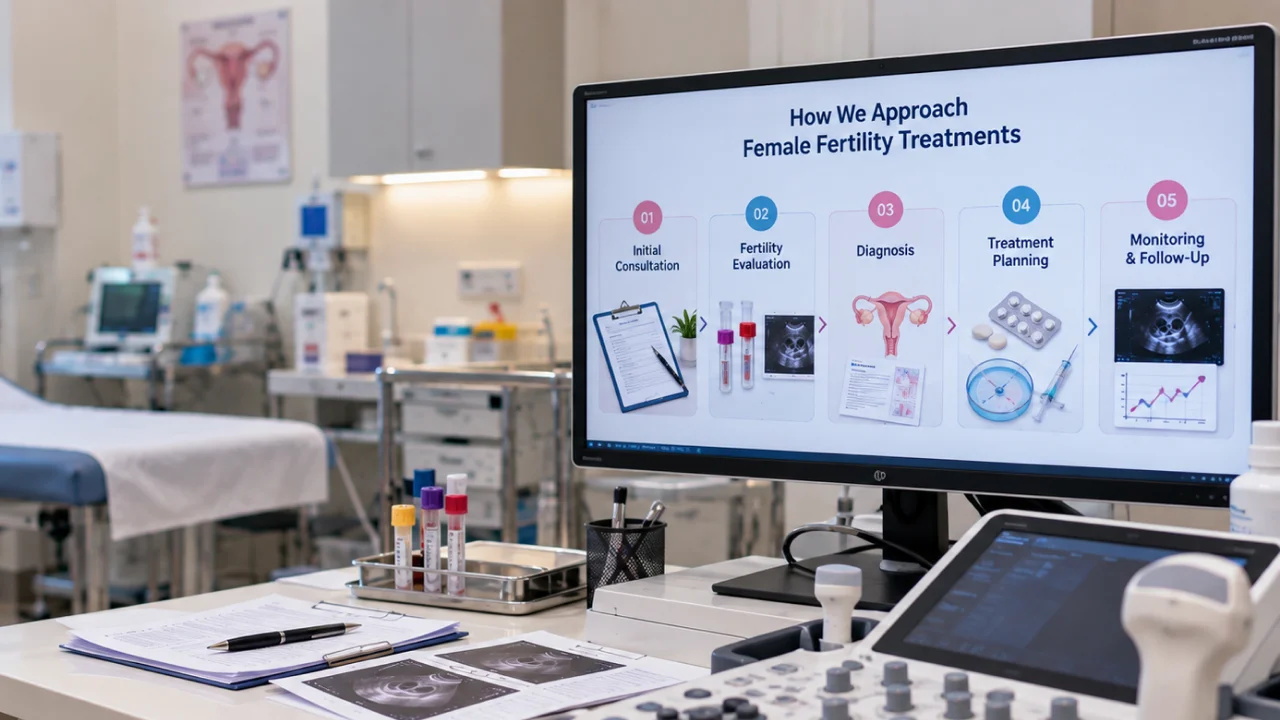
The treatment process usually starts with identifying what’s affecting conception, then narrowing down to the appropriate medical or assisted reproductive option.
- Initial Consultation Your specialist reviews your menstrual history, medical history, previous pregnancies, fertility concerns and previous treatments.
- Fertility Evaluation Relevant blood tests, scans and other investigations are recommended based on your individual situation.
- Diagnosis Results are reviewed to identify factors such as ovulation problems, hormonal concerns, ovarian reserve issues or structural conditions.
- Treatment Planning Your specialist discusses whether Female Fertility Treatments such as medication, ovulation treatment, surgery, IUI, IVF or ICSI fit your specific findings.
- Monitoring and Follow-Up Your response is tracked throughout treatment, with follow-up appointments and scans used to assess progress and decide the next step.
When Should You See a Female Reproductive Doctor?
A fertility consultation helps identify reproductive concerns early, before deciding whether treatment is needed at all.
Consider seeing a female reproductive doctor if:
- You have been trying to conceive without success
- Your menstrual cycles are irregular
- You suspect you are not ovulating regularly
- You have PCOS
- You have been diagnosed with endometriosis
- You have concerns about ovarian reserve
- You have experienced recurrent pregnancy loss
- You have undergone previous pelvic surgery
- Previous fertility treatment has not been successful
A consultation typically includes a review of your reproductive history, with recommendations for further evaluation where it’s warranted.
Why Choose Tara Fertility Centre for Female Fertility Care?
Female fertility concerns often involve several reproductive and hormonal factors at once. Tara Fertility Centre brings evaluation and treatment together under one roof, from ovulation management through to advanced assisted reproductive procedures.
Tara Fertility Centre is built around direct, unhurried access to your specialist rather than a high-volume model. Dr. Madhumita is closely involved through your evaluation and treatment, so you’re not passed between different doctors at each stage. Care is planned around your specific findings, using current protocols and equipment rather than routines built up over years of legacy practice.
Our Female Fertility Treatments include:
- Detailed fertility evaluation
- Ovulation induction
- Follicular monitoring
- Female fertility medicine
- PCOS and hormonal fertility management
- Ovarian reserve assessment
- Evaluation of uterine and pelvic conditions
- Hysteroscopic and laparoscopic procedures
- IUI, IVF and ICSI
- Ongoing monitoring and follow-up
As a female fertility clinic in Trichy, our recommendations are built around what your evaluation actually shows, not a standard treatment path applied to every patient.
Our Doctors



Frequently Asked Questions
Take the Next Step Towards Parenthood
Identifying the cause of a fertility concern is what makes the right treatment possible. Tara Fertility Centre provides Female Fertility Treatments in Trichy, including fertility evaluation, ovulation management, medication, surgical procedures and assisted reproductive care.
If you have concerns about irregular periods, ovulation, reproductive health or difficulty conceiving, speak with our fertility team to understand which options are relevant to you.