Fertility Enhancing Surgeries
Advanced Minimally Invasive Fertility Surgery for Better Reproductive Outcomes
When structural abnormalities within the uterus, fallopian tubes, or ovaries affect fertility, minimally invasive fertility surgery can significantly improve the chances of natural conception and assisted reproductive treatments such as IVF. At our fertility centre, we perform advanced laparoscopic and hysteroscopic procedures using modern surgical techniques that preserve reproductive function while minimizing pain, scarring, and recovery time.
Why Fertility Surgery May Be Recommended
Fertility surgery may be advised when conditions such as:
- Endometriosis
- Ovarian cysts (Endometriomas)
- Uterine fibroids
- Polycystic Ovary Syndrome (PCOS)
- Blocked fallopian tubes
- Pelvic adhesions
- Uterine septum
- Endometrial polyps
- Intrauterine adhesions (Asherman Syndrome)
are affecting ovulation, implantation, embryo development, or the ability to conceive naturally.
Our goal is always to restore normal reproductive anatomy while preserving fertility.
Laparoscopic Fertility Surgeries
Laparoscopy is a minimally invasive keyhole surgery performed through tiny abdominal incisions using a high-definition camera and specialized instruments. It allows precise treatment of fertility-related conditions with faster recovery and minimal discomfort. Our Pediatric Emergency Care Service provides immediate medical attention for children experiencing urgent health issues. Whether it’s a sudden injury, high fever, allergic reaction, or breathing difficulty, our team of pediatric specialists is trained to act quickly and effectively. We ensure that every child receives compassionate, professional, and timely care in a safe environment.
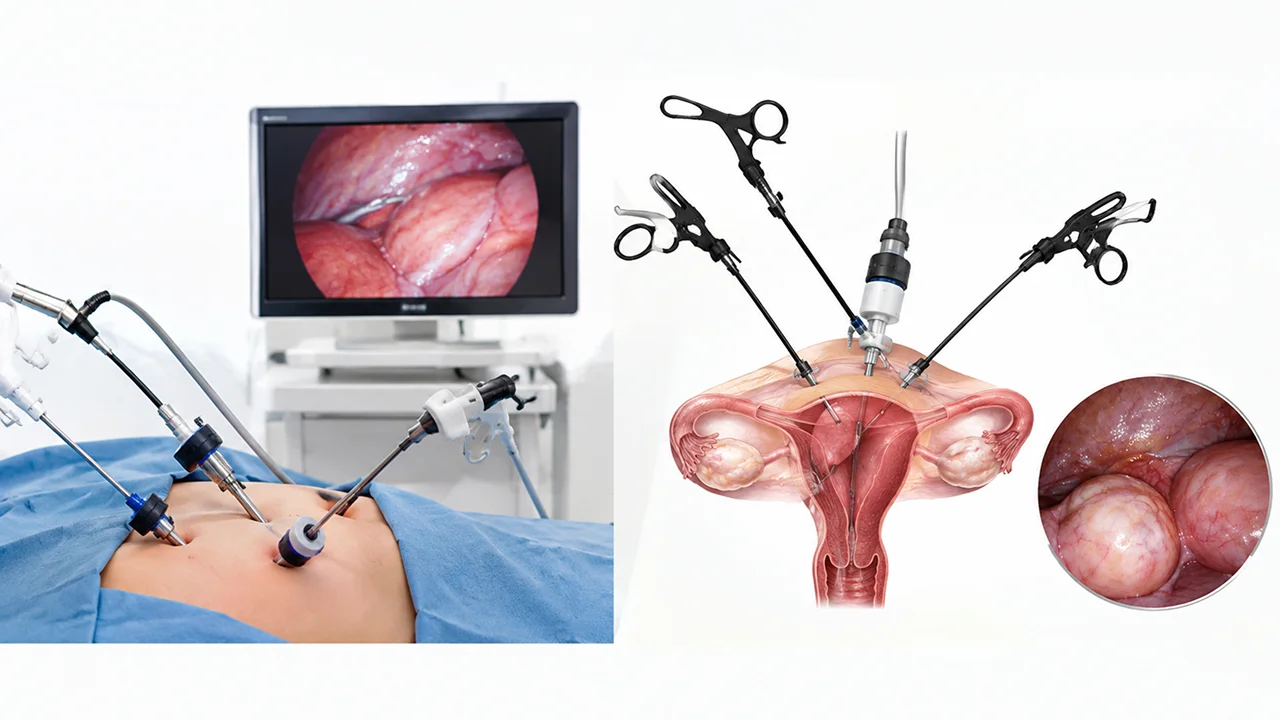
- When is it recommended? For women with Stage I–IV pelvic endometriosis causing pelvic pain, infertility, distorted pelvic anatomy, adhesions, or chronic inflammation.
- How it helps The abnormal endometrial tissue is carefully removed using precision surgical techniques. This restores pelvic anatomy, reduces inflammation, improves ovarian and tubal function, and enhances fertility potential.
Ovarian Endometrioma Cystectomy
Excision of Endometriosis
- When is it recommended? For ovarian endometriomas that interfere with ovulation, fertility treatments, or cause persistent pelvic pain.
- How it helps The cyst wall is delicately removed while preserving healthy ovarian tissue and ovarian reserve as much as possible, supporting future natural conception and IVF success.
Laparoscopic Myomectomy
- When is it recommended? For ovarian endometriomas that interfere with ovulation, fertility treatments, or cause persistent pelvic pain.
- How it helps The cyst wall is delicately removed while preserving healthy ovarian tissue and ovarian reserve as much as possible, supporting future natural conception and IVF success.
Laparoscopic Ovarian Drilling (LOD)
- When is it recommended? For women with Clomiphene- or Letrozole-resistant PCOS who are not ovulating regularly.
- How it helps Small controlled punctures are made in the ovarian surface to reduce excess androgen-producing tissue, helping restore natural ovulation and improve fertility.
Tubal Surgery
-
Procedures include
- Salpingostomy
- Salpingectomy
- Tubal Re-anastomosis
-
When is it recommended?
- Blocked fallopian tubes
- Hydrosalpinx
- Tubal damage
- Tubal ligation reversal
How it helps
- Salpingectomy Removes damaged, fluid-filled fallopian tubes that may reduce IVF success.
- Salpingostomy / Fimbrioplasty Creates or restores the natural opening of blocked fallopian tubes to improve egg pickup.
- Tubal Re-anastomosis Reconnects previously tied fallopian tubes to restore natural fertility.
Laparoscopic Adhesiolysis
- When is it recommended? For pelvic adhesions caused by previous infections, surgeries, or inflammation.
- How it helps Scar tissue is carefully released to restore the normal relationship between the ovaries, fallopian tubes, and surrounding reproductive organs, improving fertility.
Hysteroscopic Fertility Surgeries
Hysteroscopy is a minimally invasive procedure performed through the cervix without external incisions. A thin camera is introduced into the uterus, allowing direct treatment of abnormalities affecting implantation and pregnancy.
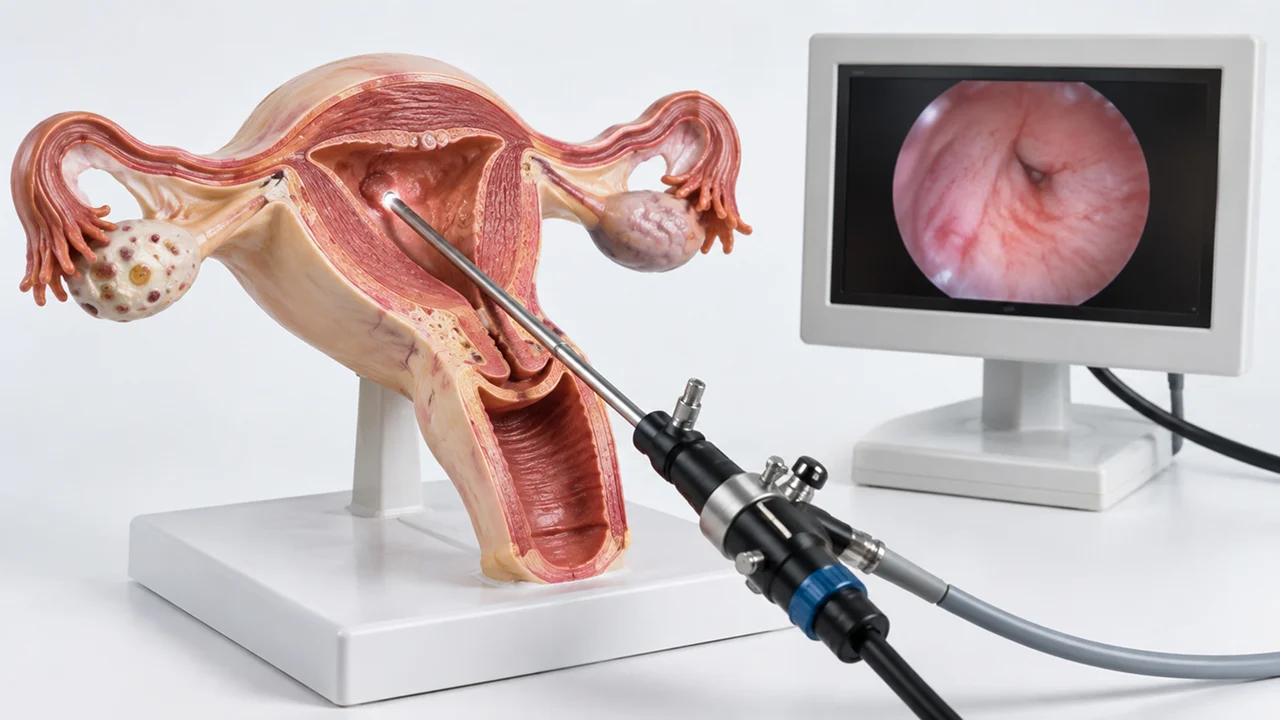
Hysteroscopic Septum Resection (Metroplasty)
- When is it recommended? For women with a septate uterus associated with infertility or recurrent miscarriages.
- How it helps The uterine septum is carefully divided to create a normal uterine cavity, improving implantation rates and reducing miscarriage risk.
Hysteroscopic Polypectomy & Submucosal Myomectomy
-
When is it recommended?
- Endometrial polyps
- Submucosal fibroids inside the uterine cavity
- How it helps Polyps and fibroids are removed under direct visualization, restoring a healthy uterine environment for embryo implantation without abdominal surgery.
Adhesiolysis for Asherman Syndrome
- When is it recommended? For women with intrauterine adhesions resulting from infection or previous uterine procedures that cause menstrual abnormalities or infertility.
- How it helps Scar tissue within the uterus is carefully removed to restore the uterine cavity. Postoperative therapies may be recommended to reduce the risk of recurrence.
Hysteroscopic Cannulation for Proximal Tubal Occlusion
- When is it recommended? For women with blockage at the opening of one or both fallopian tubes diagnosed during HSG or HyCoSy.
- How it helps A fine micro-catheter is guided through the tubal opening to remove mucus plugs or minor blockages, potentially restoring natural tubal patency without major surgery.
Benefits of Minimally Invasive Fertility Surgery
- Improved natural conception rates in selected patients
- Better outcomes before IVF and other fertility treatments
- Preservation of healthy reproductive organs
- Smaller incisions with minimal scarring
- Reduced postoperative pain
- Faster recovery and shorter hospital stay
- Earlier return to daily activities
- Precision surgery using advanced laparoscopic and hysteroscopic technology
- Intrauterine adhesions (Asherman Syndrome)
Why Choose Our Fertility Surgical Team?
Our experienced fertility specialists combine advanced minimally invasive surgical expertise with personalized fertility planning. Every treatment is tailored to your reproductive goals, ensuring that surgery is performed only when it can meaningfully improve your chances of achieving a healthy pregnancy.
From diagnosis to recovery and fertility treatment planning, we provide comprehensive, compassionate care at every stage of your parenthood journey.