Regular pediatric visits ensure your child’s growth and development stay on track, helping prevent illnesses before they start.
Introduction
Polycystic Ovary Syndrome (PCOS) is a common hormonal condition that can affect menstrual cycles and ovulation. For women planning a pregnancy, understanding how PCOS affects fertility can help them make informed decisions about their reproductive health.
PCOS can interfere with regular ovulation, making it more difficult to predict the fertile window. However, having PCOS does not automatically mean you cannot become pregnant.
Why Annual Check-Ups Matter

To achieve this, it would be necessary to have uniform grammar, pronunciation and more common words. If several languages coalesce, the grammar of the resulting language is more simple and regular than that of the individual languages. The new common language will be more simple.
It will be as simple as Occidental; in fact, it will be Occidental. To an English person, it will seem like simplified English, as a skeptical Cambridge friend of mine told me what Occidental is. The European languages are members of the same family.
Common Signs of PCOS
Irregular or missed periods
Acne or increased facial hair
Changes in weight or insulin sensitivity
Difficulty tracking ovulation
Can You Get Pregnant with PCOS?
Many women with PCOS conceive naturally or with medical support. Treatment depends on ovulation patterns, age, medical history, and other fertility factors.
Treatment Options for PCOS-Related Fertility Problems
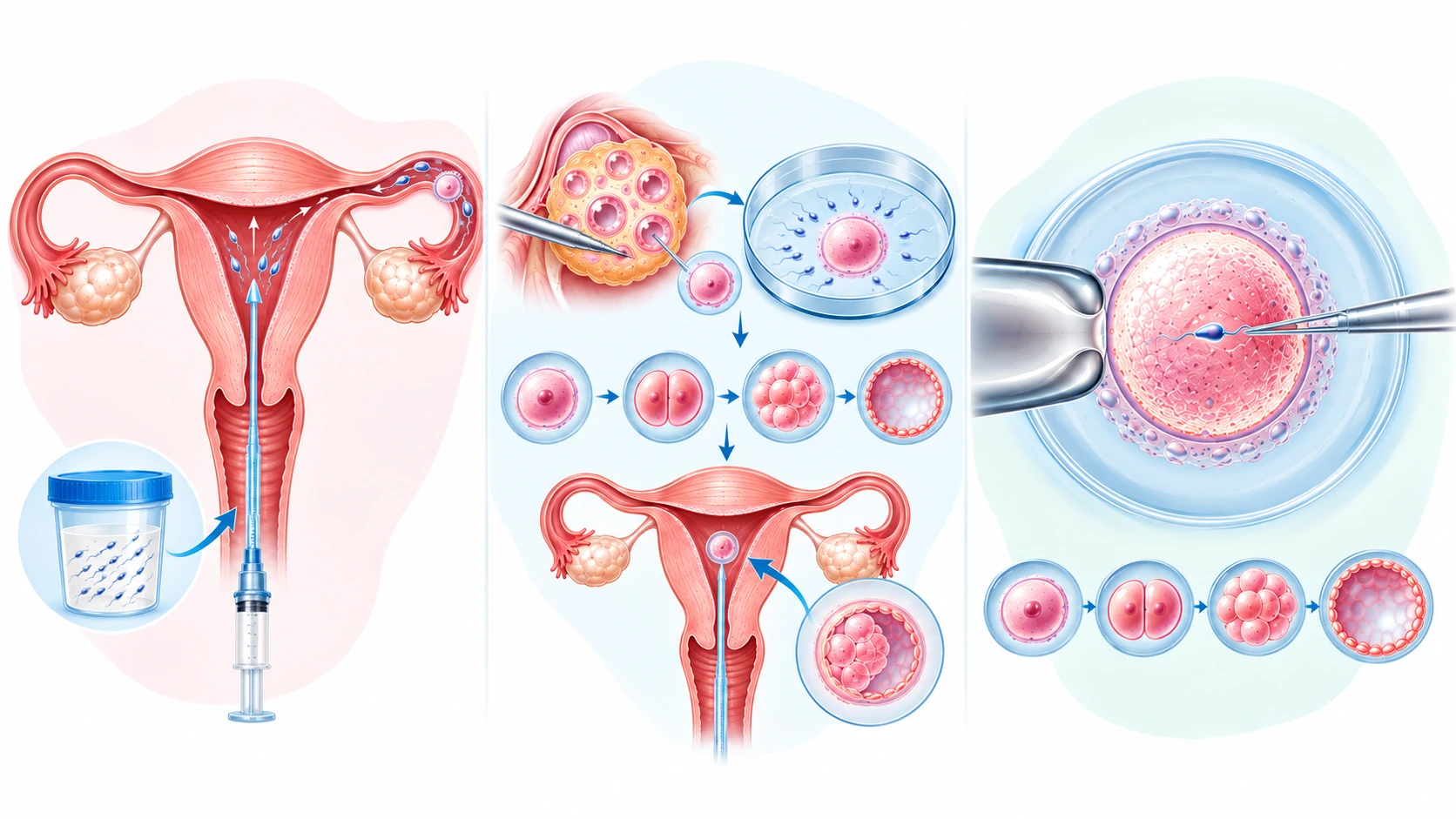
Depending on individual needs, treatment may include lifestyle support, ovulation induction, follicular monitoring, or assisted reproductive treatments such as IUI and IVF.
When Should You Consult a Fertility Specialist?
If your periods are consistently irregular or you are experiencing difficulty conceiving, a fertility evaluation can help identify suitable next steps.
Supporting Your Fertility Journey
TARA Fertility Centre offers fertility evaluation and personalised guidance to help women understand their reproductive health and available treatment options.
Call to Action: Take the first step towards understanding your fertility.