Introduction Fertility challenges can affect either partner or both partners. Male infertility may be associated with sperm production, sperm movement, hormonal conditions, or blockages in the reproductive tract. Understanding the possible causes is an important step towards finding appropriate care. Common factors include low sperm count, reduced sperm motility, hormonal imbalances, varicocele, reproductive tract obstruction, …
Introduction
Fertility challenges can affect either partner or both partners. Male infertility may be associated with sperm production, sperm movement, hormonal conditions, or blockages in the reproductive tract. Understanding the possible causes is an important step towards finding appropriate care.
Common factors include low sperm count, reduced sperm motility, hormonal imbalances, varicocele, reproductive tract obstruction, and certain genetic or medical conditions.
What Tests Help Evaluate Male Fertility?
A fertility specialist may recommend:
Semen analysis
Hormonal blood tests
Physical examination and ultrasound when indicated
Genetic investigations for selected cases
What Is Azoospermia?
Azoospermia is a condition in which no sperm are detected in the ejaculate. Further investigations may help determine whether sperm production or sperm transport is affected.
What Treatment Options Are Available?
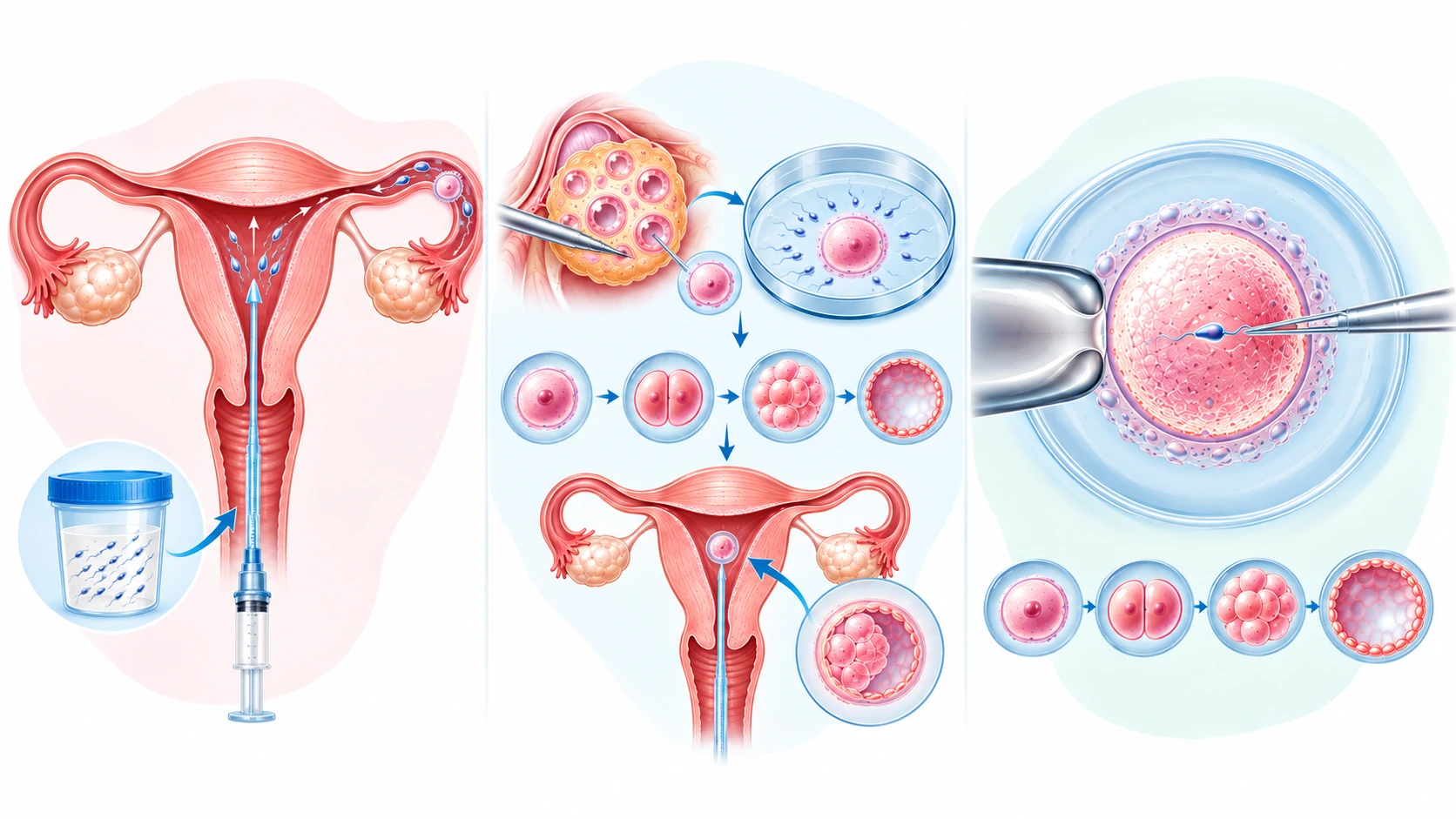
Treatment depends on the underlying cause. Options may include selected medical treatments, surgery for appropriate conditions, sperm retrieval procedures such as TESA or Micro-TESE, and IVF with ICSI where indicated.
Can Lifestyle Habits Support Male Fertility?
Balanced nutrition, regular exercise, adequate sleep, avoiding smoking, and discussing medications with a healthcare professional can support overall health. These measures cannot correct every cause of infertility, so medical assessment remains important.
Taking the Next Step
Male fertility evaluation is a normal part of fertility care and should be approached without blame or embarrassment. Evaluating both partners can provide a clearer picture of the available options.